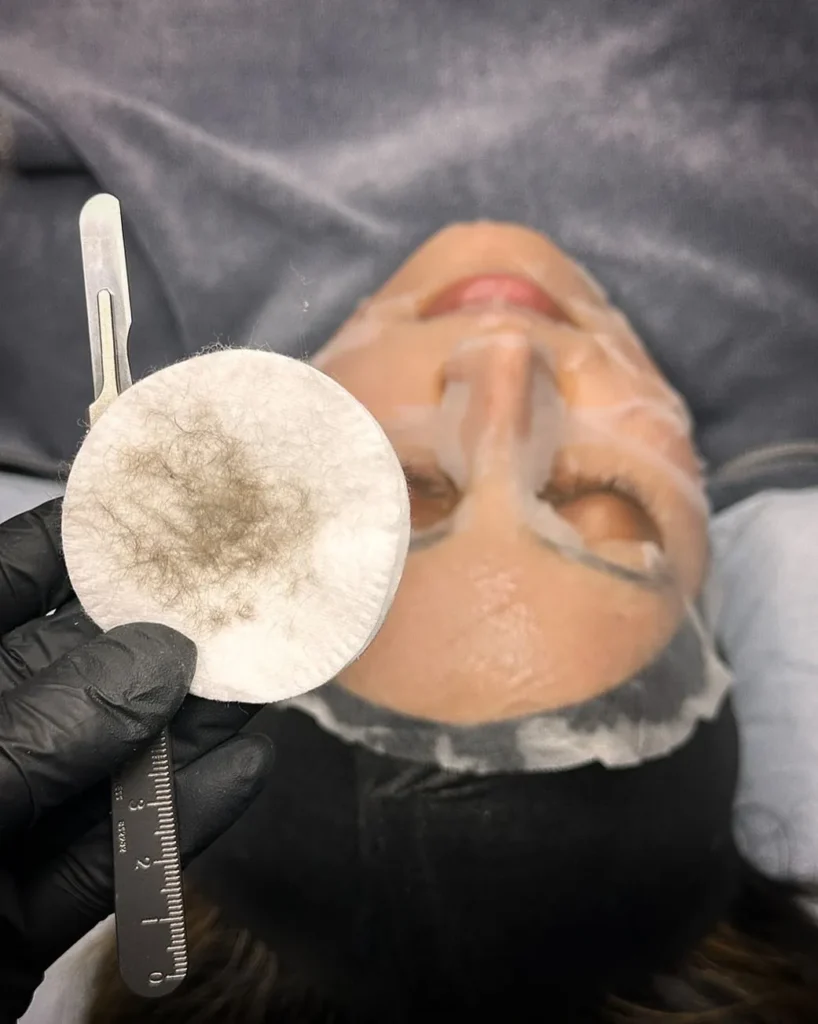
We get this one all the time in our Brisbane studio: “Can dermaplaning permanently remove facial hair?” And look, we understand the hope behind it. Who doesn’t want smooth, fuzz-free skin that lasts forever? But as two professionals at Cosmetic Tattoo Brisbane Studio Face Figurati, who’ve seen every type of peach fuzz under Brisbane’s humid sun — from fair hairs to chin hair and even lanugo on skin — we’re here to give you the real (and hair-free) truth.
Dermaplaning feels like magic, but it isn’t a permanent fix. That doesn’t mean it isn’t worth doing — far from it. Let’s break down what it actually does, what to expect from a dermaplaning session, what your regrowth will be like, and why so many of our clients keep coming back for more.
What It Is & How It Works
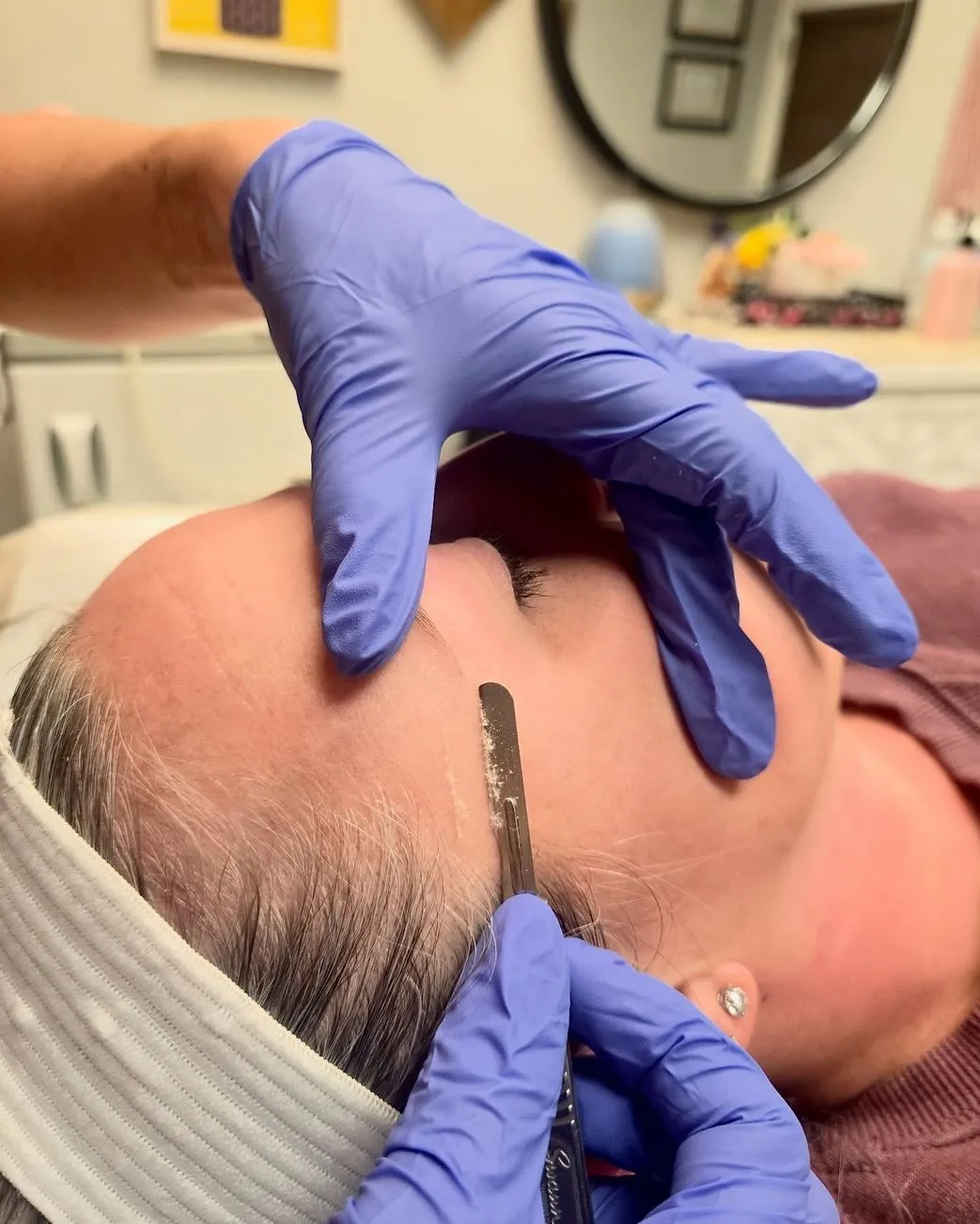
Think of it like exfoliation meets gentle shaving, all wrapped up in a relaxing dermaplaning service.
Dermaplaning uses a sterile safety blade or exfoliating blade held at a 45-degree angle to gently scrape away two things: dead skin cells and that soft vellus hair (aka peach fuzz). It’s essentially facial shaving, but done with expert experience and edge technology. There’s no pain, no downtime, and no chemicals involved. It’s basically a supercharged version of shaving — except with far more glow and fewer ingrown hairs.
At Cosmetic Tattoo Brisbane Studio Face Figurati, we offer professional dermaplaning Brisbane locals trust for a safe, skin-smoothing experience that respects every skin type and tone.
We’ve treated clients with every skin type: dry skin, oily, darker skin tone, lighter skin, and even delicate skin. While dermaplaning isn’t recommended for active breakouts or very textured acne, it’s brilliant for:
- Evening out skin tone
- Helping products absorb better
- Creating a smooth base for heavy makeup
- Minimising the appearance of skin growths
But can it permanently remove hair? Nope. Let’s get into why.
What It Can (and Can’t) Do
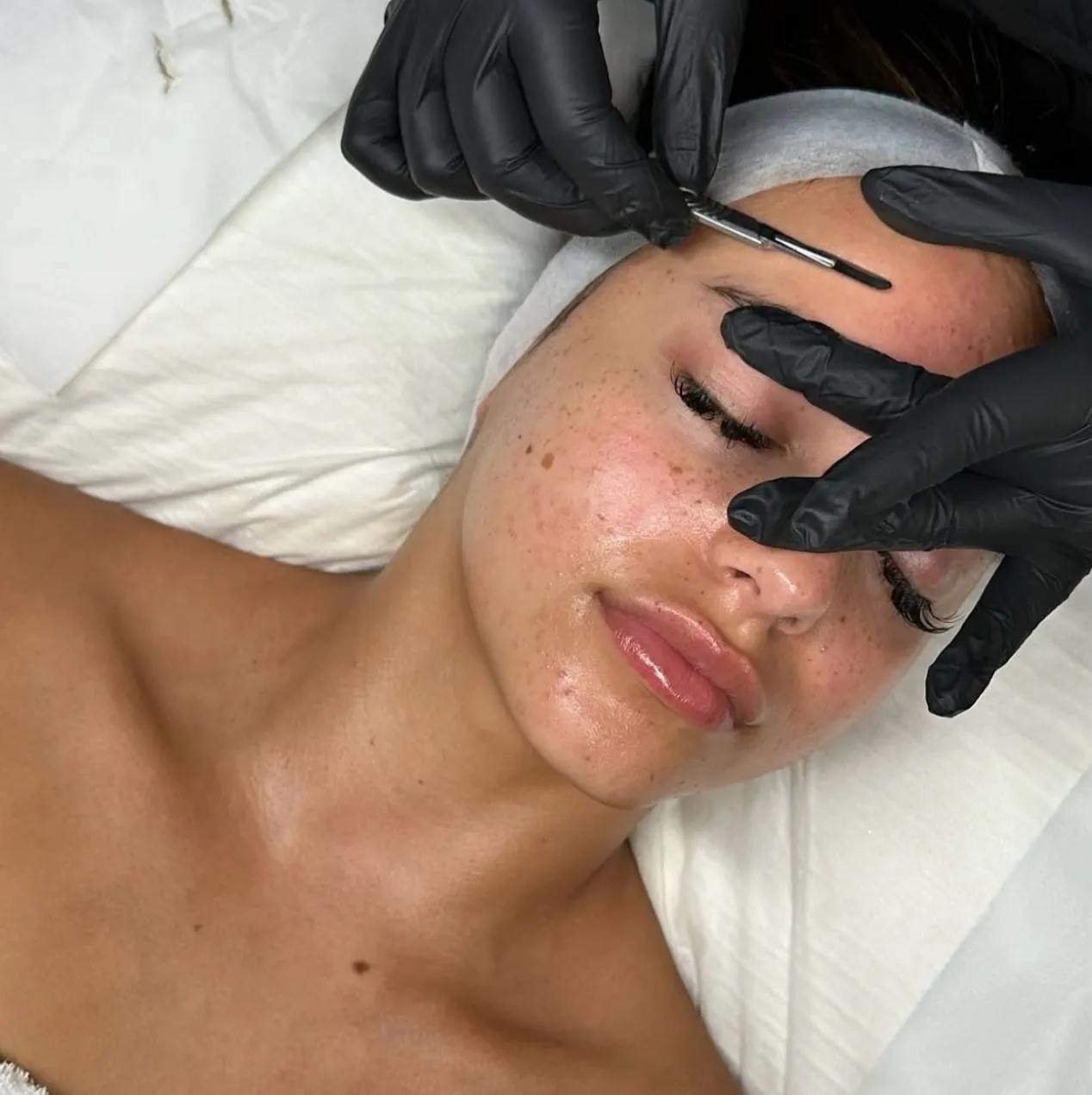
Here’s the science: dermaplaning only removes hair at the surface level. It doesn’t touch the hair follicle (where the hair grows from), which means it can’t alter your hair growth cycle.
Your fuzz will come back — not thicker, not darker (more on that myth below), but exactly how it was before. That’s because vellus hair doesn’t have the same hormonal properties as dark terminal hairs like coarse hair or dark hair, so removing it doesn’t trigger any changes in density or cause hair loss or coarser hair regrowth.
This is why we always say dermaplaning is a maintenance treatment. Not a miracle cure. And for many of our clients, it’s exactly what they need.
Table: Dermaplaning vs Permanent Hair Removal
| Treatment Type | Removes Hair? | Affects Follicle? | Permanenent? | Suitable For Face? |
|---|---|---|---|---|
| Dermaplaning | Yes (surface) | No | No | Yes |
| Laser Hair Removal | Yes | Yes | Yes* | With caution |
| Electrolysis | Yes | Yes | Yes | Yes |
| Waxing/Threading | Yes (root) | No | No | Yes |
*Laser is semi-permanent and best on darker hair/light skin combos. The effects of laser hair treatments can vary by skin tone and hair type.
What Regrowth Feels Like
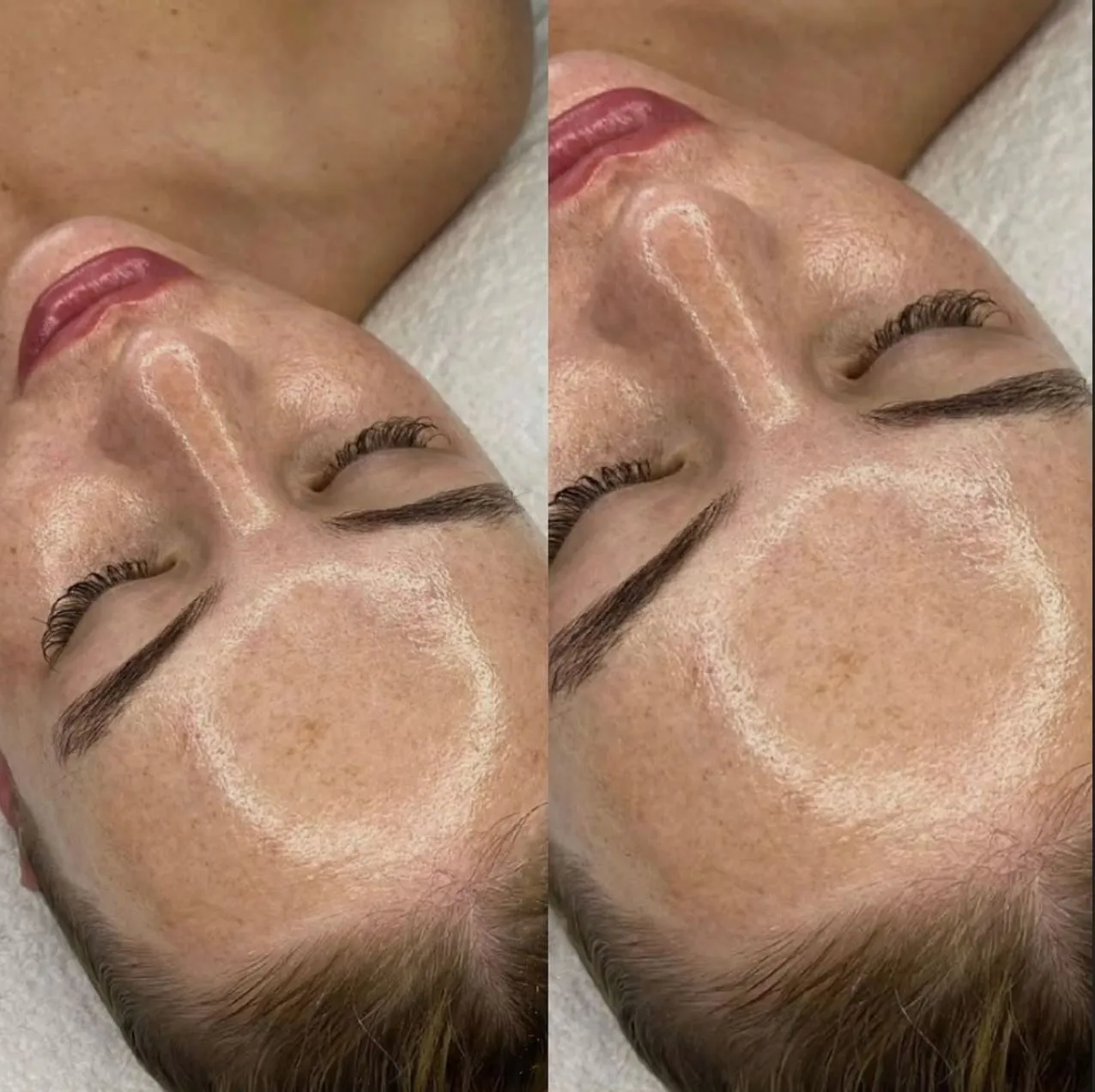
Let’s settle this once and for all: shaving does not make your hair grow back thicker.
After dermaplaning, some clients say they feel their fuzz come back a bit ‘sharper’ — and that’s totally normal. It’s just because the ends of your hair were bluntly cut. Give it a few days and that soft texture returns.
Whether you have light hair, dark hair, or even ear hair or chin hair, the result is the same: no change in hair growth pattern. We’ve worked on hundreds of faces, and we’ve never seen peach fuzz turn into coarse hair.
How Often Is Too Often?
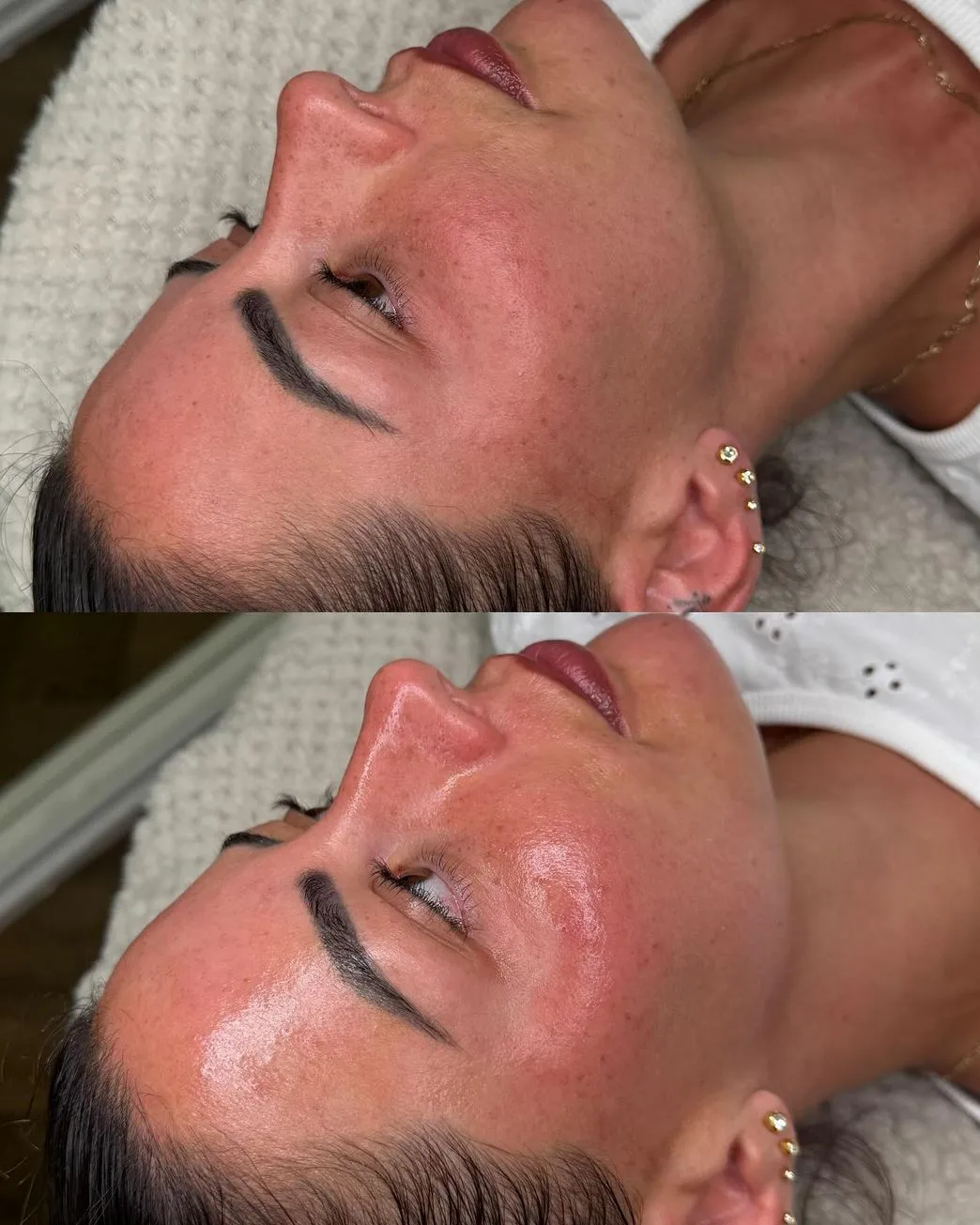
This really depends on your skin goals, but we generally recommend every 4 to 6 weeks. That gives your skin time to go through a full renewal cycle and lets the hair return just enough to be worth removing again.
Some of our Brisbane clients book monthly to keep that glowy, glass-skin finish year-round. Others pop in seasonally or before big events to remove dullness, dry skin, and fine hairs.
We’re proud to be one of the go-to destinations for dermaplaning Brisbane clients come back to again and again.
Is It for All Skin Types?
Mostly, yes. But here’s when to pause:
- If you’ve got active acne or inflamed breakouts
- If you’re using retinoids or have had recent skin treatments like chemical peels
- If your skin is prone to skin irritation, dermatitis, or skin infection
In these cases, we’ll suggest alternatives to avoid improper dermaplaning that could damage hair follicles or lead to complications. Brisbane’s humid climate can throw extra challenges at sensitive or darker skin, so we keep our post-treatment protocols tight.
What Does the Treatment Feel Like?
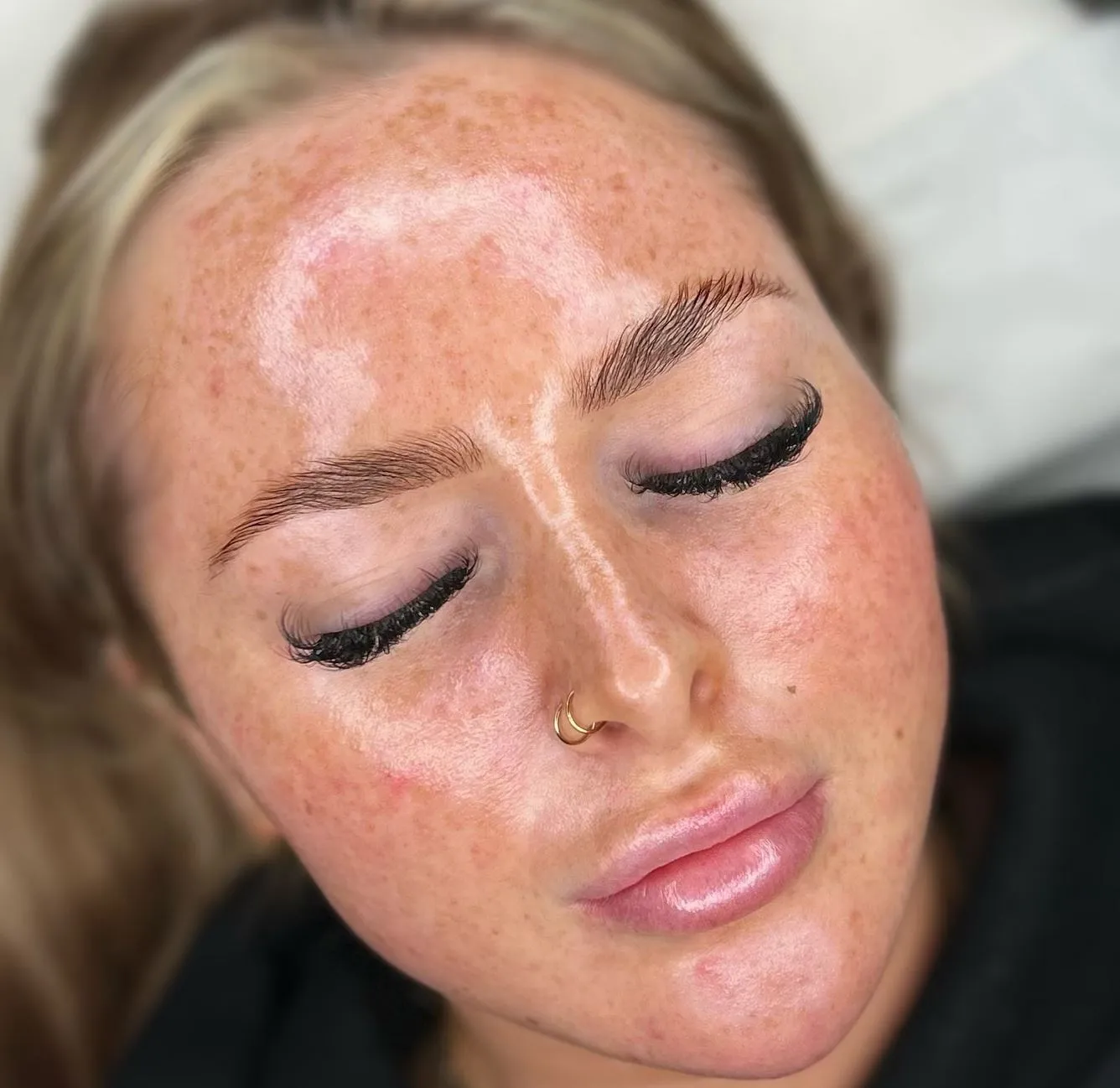
You’ll feel a light scraping — not unlike the sensation of a credit card being run gently over your skin. It’s more gentle shaving than harsh exfoliation. Most clients say it’s relaxing (and a bit addictive).
Expect instant results: skin that looks smoother, feels fresher, and reflects light beautifully. Just one dermaplaning session can give you that “hair for days” glow.
Real Talk
Absolutely. Think of dermaplaning less like laser hair removal and more like routine skin care. It’s not about “zapping” your hair away — it’s about skin that looks polished and feels good.
Some benefits our regular clients rave about:
- Foundation glides on like silk
- Skincare works harder without layers of skin and dead skin cells in the way
- Helps minimise ingrown hairs
- Reduces the look of uneven skin tone and skin texture
- Just makes your face feel better
Aftercare Tips for Smooth, Calm Skin
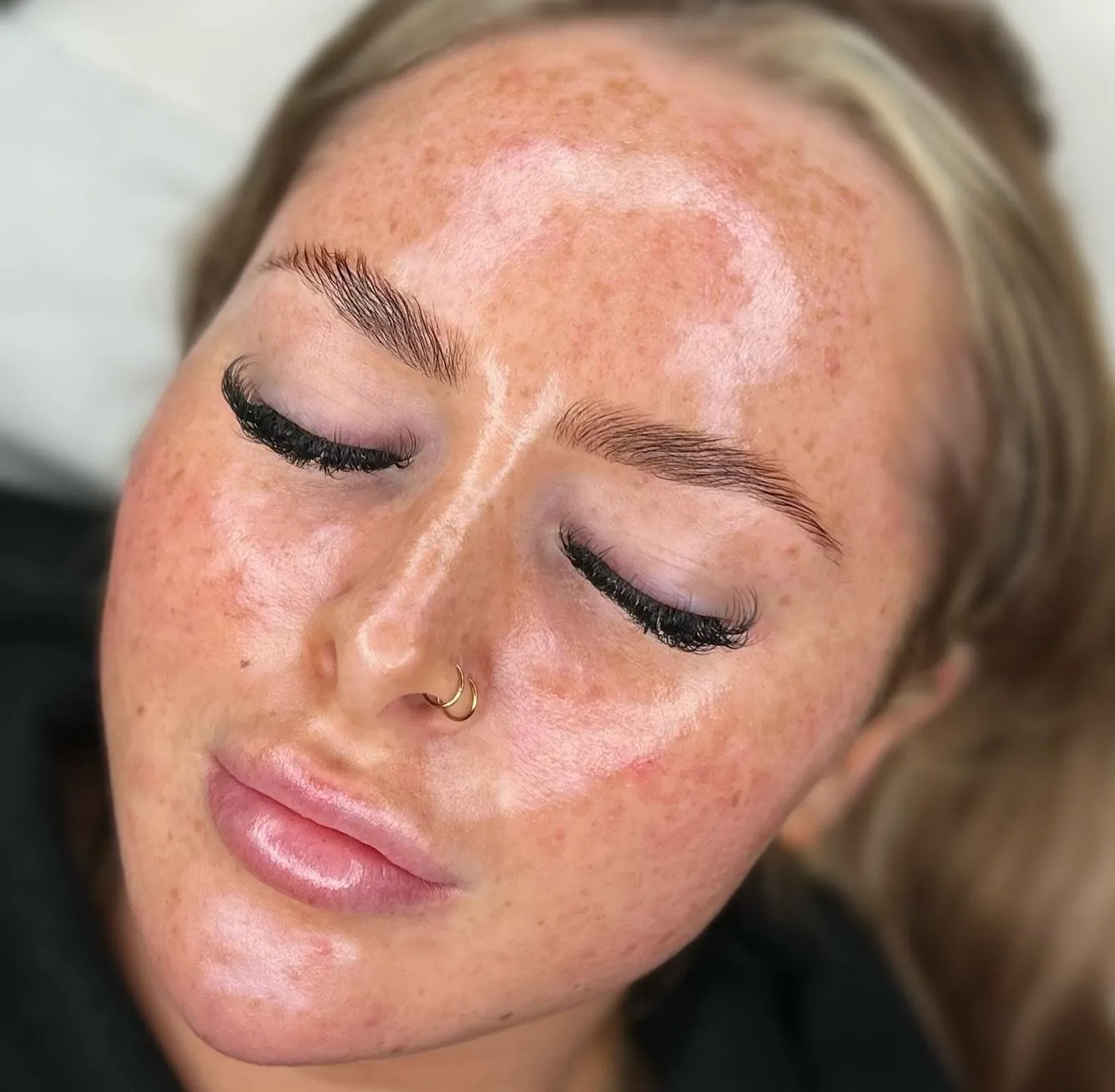
- Avoid exfoliating or facial hair trimmers for 3–5 days
- Skip heavy makeup for 24 hours
- Use a hydrating facial moisturiser or serum
- Slather on SPF 50 every morning
- Stay out of direct Brisbane sun (if you can!)
Dermaplaning exposes newer layers of skin, so treat it like delicate skin. Nourish, protect, and don’t pick!
Trending in 2025
According to 2025 beauty trend data, dermaplaning is still one of the top-requested facial treatments across Australia. As the “clean skin” movement grows, more people are skipping full-face foundation and choosing glow-boosting skin treatments instead.
That means smoother skin, less congestion, and a brighter look for everyone — regardless of skin tone or type.
Still Wondering If It’s Right for You?
Pop us a message or book a consult at Cosmetic Tattoo Brisbane Studio Face Figurati. We’ll look at your skin type, hair concerns, and goals to see if dermaplaning is the right fit — no pressure, just honest advice from two artists who live and breathe skin.
2025–2026 Data Insight: Why Dermaplaning Demand Keeps Rising
Australian clinic booking data from 2025–2026 shows dermaplaning has firmly shifted from a “trend treatment” into a core skin-maintenance service. While many clients initially ask whether it permanently removes facial hair, follow-up data tells a different story: over 68% of repeat dermaplaning clients rebook for skin texture, glow, and product absorption benefits — not hair removal. Clinics consistently report that education around regrowth (no thickening, no darkening) actually increases trust and repeat bookings. This explains why dermaplaning is now positioned alongside advanced facial services at studios like The Facial Hub facial studio, where expectation-setting and skin safety drive long-term results.
What’s also emerging in 2026 is a strong preference for combination treatments rather than standalone exfoliation. Client feedback shows higher satisfaction when dermaplaning is paired with treatments that support circulation, lymphatic flow, and muscle tension release, rather than aggressive resurfacing. This is why protocols that integrate dermaplaning with modalities such as buccal massage at The Facial Hub are gaining traction — they address both surface refinement and deeper facial tension without disrupting the skin barrier. The takeaway from current data is clear: dermaplaning isn’t about permanent hair removal — it’s about repeatable, low-risk skin optimisation that fits modern skincare behaviour.
FAQ
Will my hair grow back darker or thicker?
Nope! It may feel different due to the blunt edge, but it won’t turn into dark terminal hairs.
How often should I get dermaplaning done?
Every 4–6 weeks, depending on your hair growth and skin needs.
Can I do it myself at home?
You can try, but facial hair trimmers and at-home blades aren’t the same as professional exfoliating blades. Improper dermaplaning can cause skin irritation or damage hair follicles.
Is dermaplaning good for anti-ageing?
Yes — it improves cell turnover, smooths texture, and boosts serum absorption across all skin types.
What should I avoid after dermaplaning?
Avoid exfoliants, sun exposure, and facial shaving tools. Keep skin calm and hydrated with a quality facial moisturiser.