If your freshly tattooed powder brows feel like they’ve turned into an itchy nightmare, take a deep breath. You’re not the only one furiously Googling “why are my brows itching like crazy?” a few days post-treatment. Itching is common — but knowing what’s normal, what’s not, and how to soothe the urge to scratch is key.
At Cosmetic Tattoo Melbourne Studio Face Figurati, we see it all the time — clients experiencing itchy brows a few days after their initial treatment. Whether it’s your first time getting powder brows or you’re coming in for a regular touch-up, understanding your skin type and following proper aftercare makes a world of difference.
Whether you have oily skin, dry skin, or sensitive skin, understanding your skin type can make all the difference in your healing journey. Every post-procedure experience is different, and your skin’s immune response plays a big role.
In this guide, I’ll walk you through what causes itchiness after brow tattoos, how to tell if it’s part of the normal healing process or something more serious, and what actually works (and what doesn’t) to relieve the irritation while protecting your pigment retention.
Healing vs. Hysteria
That annoying, prickly sensation that kicks in around day 3? Totally expected. Your skin’s healing, after all. But it helps to know what’s actually going on during the various stages of healing:
The Skin’s Natural Repair Response
That annoying, prickly sensation that kicks in around day 3? Totally expected. Your skin’s healing, after all. But it helps to know what’s actually going on during the various stages of healing:
- Microtrauma triggers inflammation. Tattoo needles cause controlled trauma, and your immune system responds to the healing of wounds.
- Histamines are released. That causes swelling, redness — and yep, itchy eyebrows.
- New skin is forming. As the surface regenerates, dead, flaky skin lifts and flakes off. That process can tickle like mad.
Top Triggers That Can Make It Worse
- Overwashing or drying out the brows (especially common in dry healing process cases)
- Using heavy aftercare ointment like Vaseline that clogs healing skin
- Hot showers, direct contact with brows in water, or excessive sweating
- Facial treatments or chemical treatments like glycolic acids too soon after treatment
- Not using clean fingers or a clean towel/tissue to blot brows
A little itch? Normal. Intense, spreading, or painful itch? Time to investigate further.
Week-by-Week Breakdown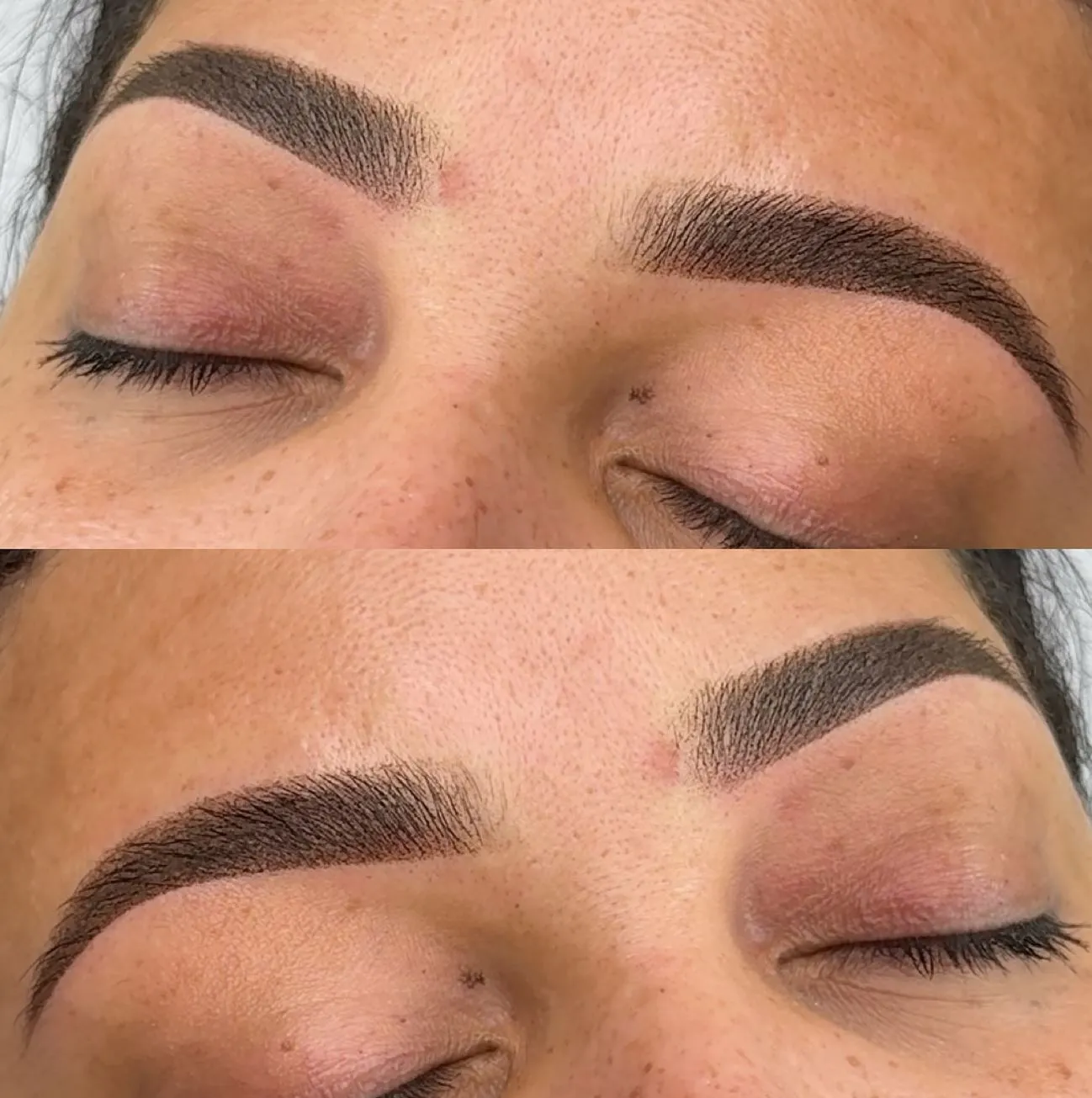
| Healing Phase | Days Post-Treatment | What You’ll Likely Feel |
|---|---|---|
| Initial Healing | 1–2 | Tightness, mild warmth, brows dry or slightly swollen |
| Flaking Starts | 3–5 | Moderate itch, flaky skin, brows clean but lightly scabbing |
| Peak Itch | 5–7 | Itchy brows intensify; avoid scratching to prevent pigment loss |
| Settling Down | 7–10 | Flaking slows, brows appear faded (ghosting), and the itch eases |
| Resting Phase | 10+ | Skin continues natural healing under the surface; irritation subsides |
Itching is often a natural response in the healing cycle. Pigment resurfaces between the touch-up appointment and weeks 4–6.
Soothe Itchy Powder Brows Safely
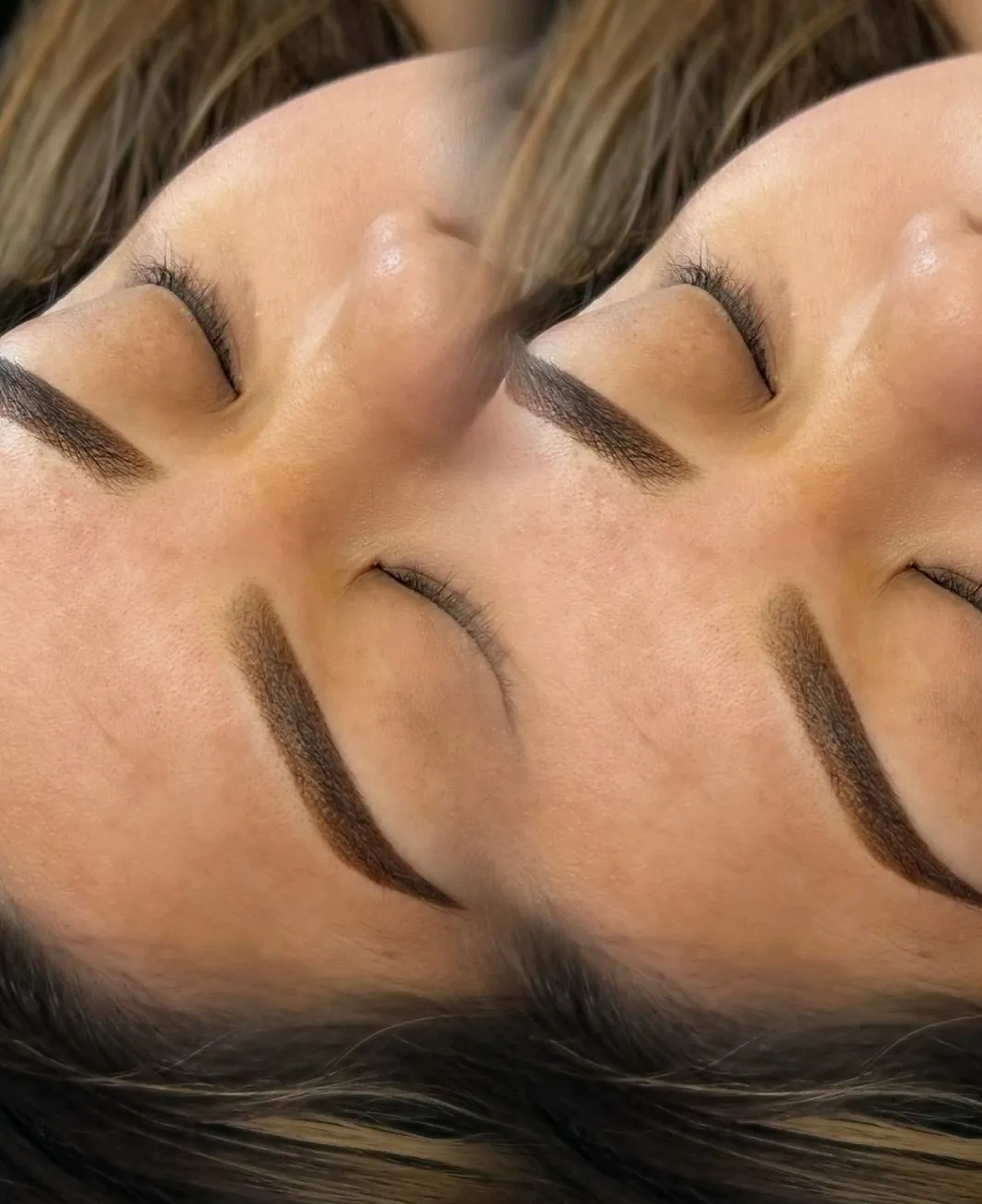
Your proper aftercare routine makes all the difference. Here’s how to manage the healing stage safely:
DO Try:
- A cold compress: Apply with a clean tissue or cotton round. Brief contact only.
- Approved aftercare product or healing balm: Use the one your professional artist gave you. Always apply a thin layer of ointment.
- Cool misting or light therapy can reduce inflammation without disturbing pigment.
- Essential aftercare distractions: Use podcasts, walks, socks on your hands — whatever keeps you from touching!
DON’T:
- Scratch or rub – even gently. It can cause premature fading, pigment loss, and potential infections.
- Apply brow makeup or skincare products over healing brows
- Use facial products containing glycolic acid or exfoliants
- Expose brows to sun exposure, swimming, steam, or facial treatments
- Pick at scabs or flaky skin
Powder brows need extra care during the first 10 days — this is when proper healing and pigment retention are most critical. Stick to your aftercare instructions, and avoid anything that could disrupt the healing phase.
Red Flags to Watch For
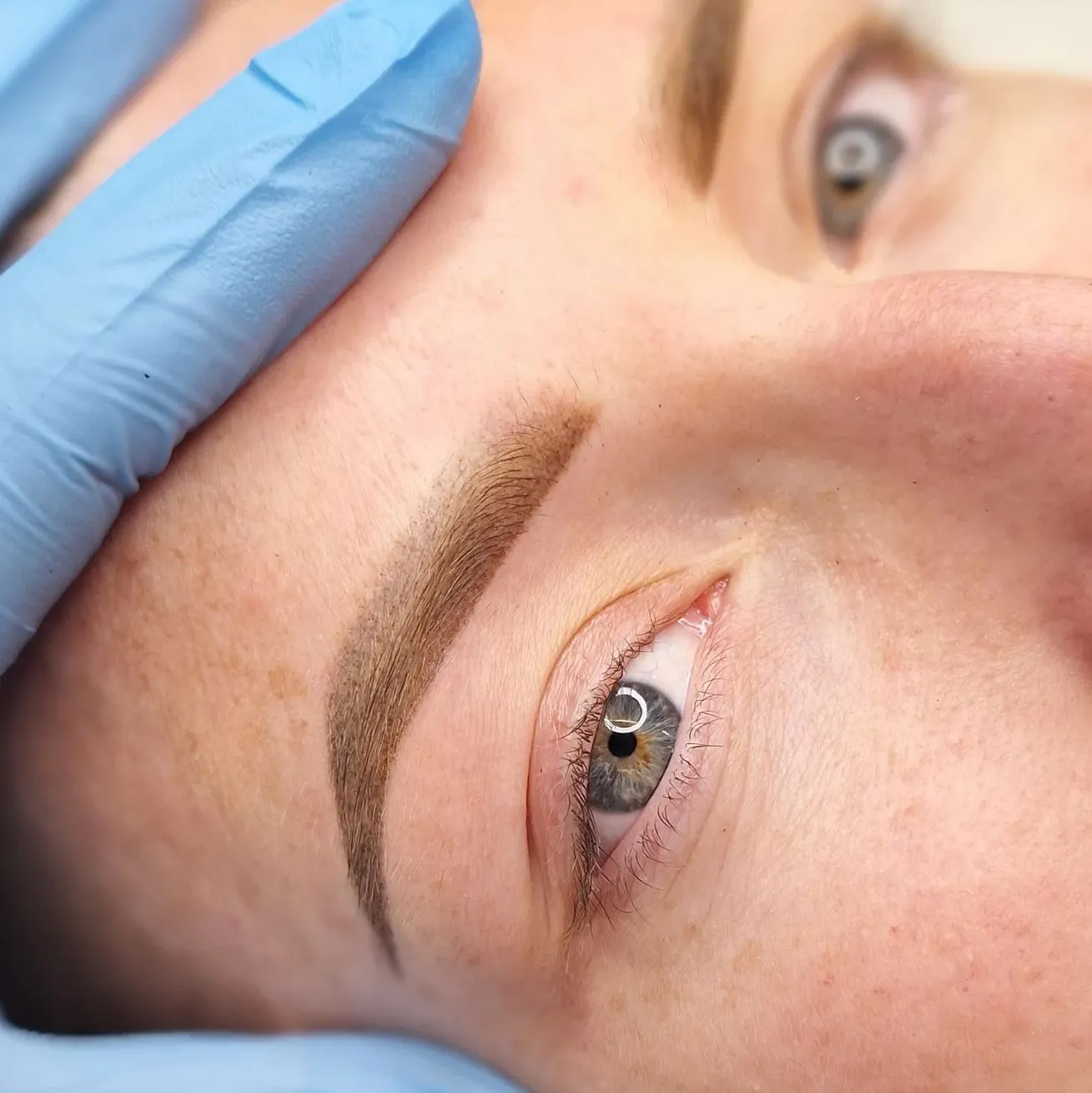
- Spreading redness or swelling beyond the natural eyebrow shape
- Oozing, blistering, or yellow crusting
- Severe pain, rash, or bumps near or beyond the brow area
- Fever or signs of infection like heat or pus
Skin conditions like seborrheic dermatitis or allergic reactions can complicate the healing journey. If you have medical conditions (like autoimmune disorders or have undergone an organ transplant), flag it to your artist during your initial appointment.
Seasonal, Skin Type, and Allergy Considerations
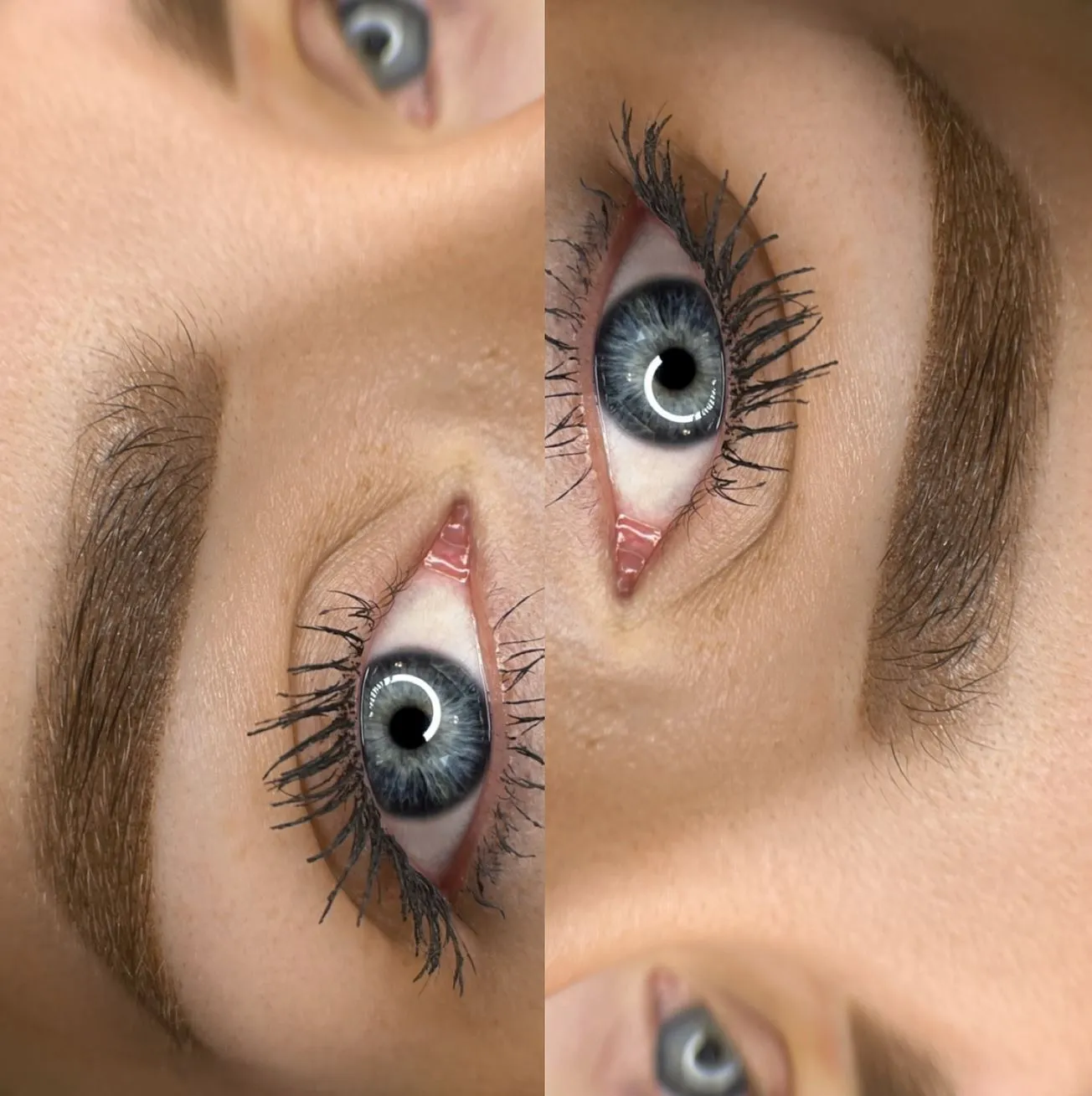
- Oily skins may notice pigment fading faster and are more prone to clogged pores.
- Dry skin clients often feel tighter, flakier, and more irritated.
- Sensitive skin needs gentler aftercare instructions and shorter contact with any products.
Hormonal shifts, climate, and stress can all affect the proper healing of your brows.
Even clients with the perfect shape and pigment match can experience extra sensitivity with powder brows during seasonal changes.
Salon Insight:
I get this message at least once a week after permanent makeup treatments. Here’s my honest, reassuring go-to:
“Totally normal, especially around day 4 or 5! It means your skin is doing its thing. Try a cool compress and a thin layer of your aftercare ointment. No scratching! Healing brows often look worse before they look better.”
I always remind them: the entire healing process includes some uncomfortable stages, but with proper care, it leads to beautiful brows. Especially with powder brows, patience equals payoff.
Final Thoughts
Itchy brows are annoying, but they’re often a sign your body is doing what it should. Trust the normal healing process, follow your aftercare guidelines, and use proper care to avoid complications. The healing journey may test your patience, but it’s all part of achieving fuller brows with a natural-looking eyebrow shape and perfect brows.
Curious about aftercare instructions tailored to your skin type? Need advice on facial products or prepping for your touch-up session? I’m happy to share. Book your follow-up appointment or ask for a PDF of my essential aftercare guide!
FAQ
Can I use Vaseline on itchy brows?
No. It can block airflow, delay the healing stage, and increase the risk of infection. Stick with breathable ointments from your microblading artist.
How long does the itching last?
It varies, but for most skin types, itchy eyebrows subside within 3–5 days during the peak healing phase.
Does itching mean my brows are infected?
Not usually. Itching is part of the natural healing process. Signs of infection include pus, extreme swelling, and intense redness.
Can I take antihistamines for the itch?
Yes, but always ask your GP or medical treatment provider first, especially if you’re on medication post-organ transplant or have skin sensitivities.
What if I accidentally scratched them?
Use clean fingers to gently dab with sterile saline, avoid further contact, and let your professional artist know before your follow-up appointment.